
Ginger is cheap, easy to find and tempting as a first try. Whether it earns a place in your arthritis plan depends on how firm the evidence is.
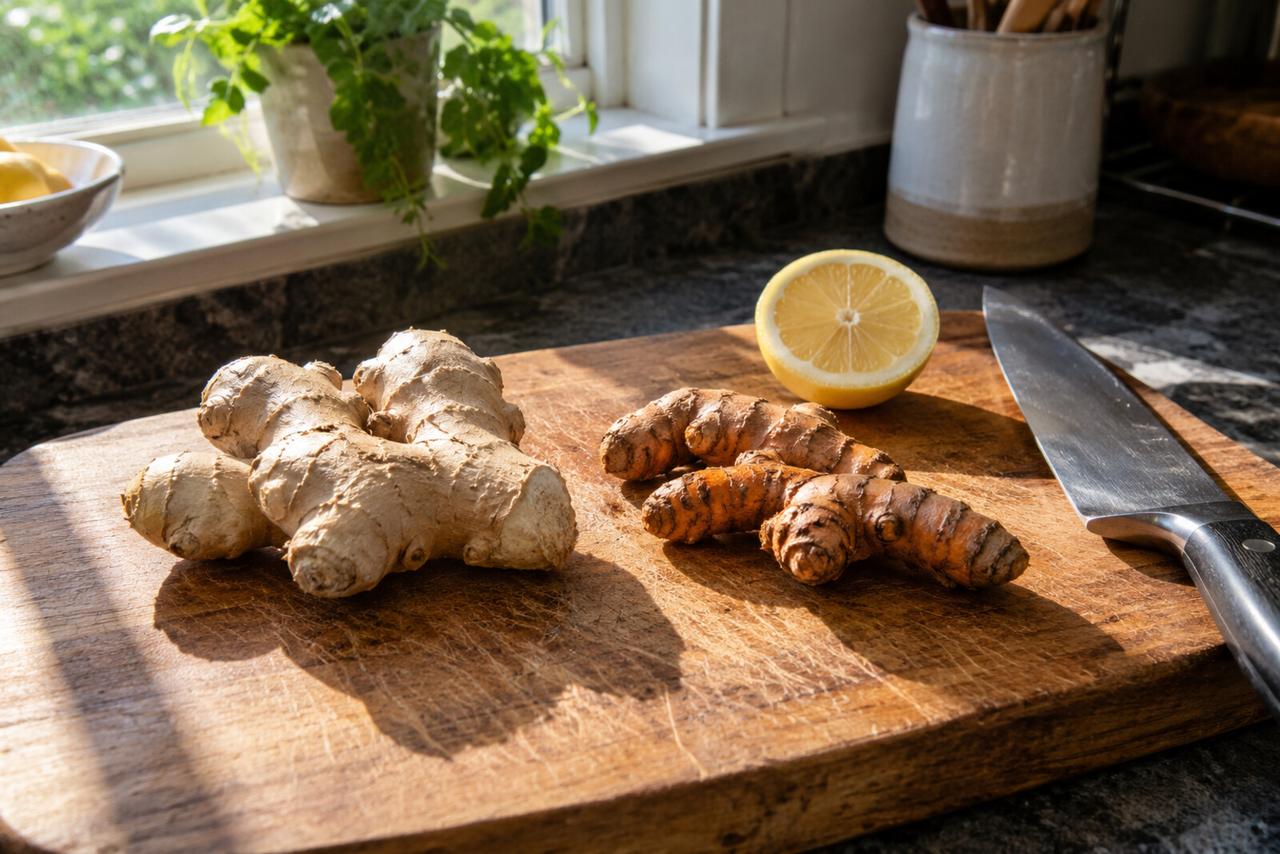
Short answer: maybe as a supplement for the knee, not on the skin
NCCIH says the following. Ginger dietary supplements might be helpful for symptoms of knee osteoarthritis, but much of the research has been of poor quality. On skin use, NCCIH adds this. Ginger used topically (applied to the skin) has not been shown to be helpful for knee osteoarthritis symptoms.
Weighing the two findings
Both statements concern knee osteoarthritis. Neither speaks to other kinds of arthritis, so do not stretch them to cover your hands or spine. The supplement finding rests on a hedge ("might") and on research the source calls poor quality. A supplement is also a repeat purchase, so count the monthly cost. A skin product has not been shown to help, so spending on one buys no shown benefit for that joint. If your arthritis is gout, NIAMS on gout is the page to read, because the ginger findings above do not address gout. WebMD's pain management center offers wider background.
Next steps
- Tell your clinician before you start any supplement, and ask whether it fits with your medicines.
- Set a trial date, write down your symptoms on day one, and compare on that date.
- Add up the monthly cost of what you plan to buy.
- Stop and recheck the plan if nothing has moved by the trial date.
A ledger note on cheap tries
A cheap try is only cheap if it ends on a date you chose. If you are in Little Falls, hold ginger to the same standard as any paid option: a price, a checkpoint and a plan for when it does not help. We are an information site, not a clinic. Our comparisons stop short of medical advice.