
Prevention costs the least when it works, so the useful question is how far it can be trusted. Readers in Little Falls who have had one episode of sciatica usually want to know if they can stop a second one.
Partly, and nobody can promise it
Lowering your odds is a realistic aim, and ruling sciatica out is not. Treat any guarantee as a red flag. The sources do support something narrower: some habits are linked to risk, and some exercises are something a doctor may prescribe.
What the sources tie to risk
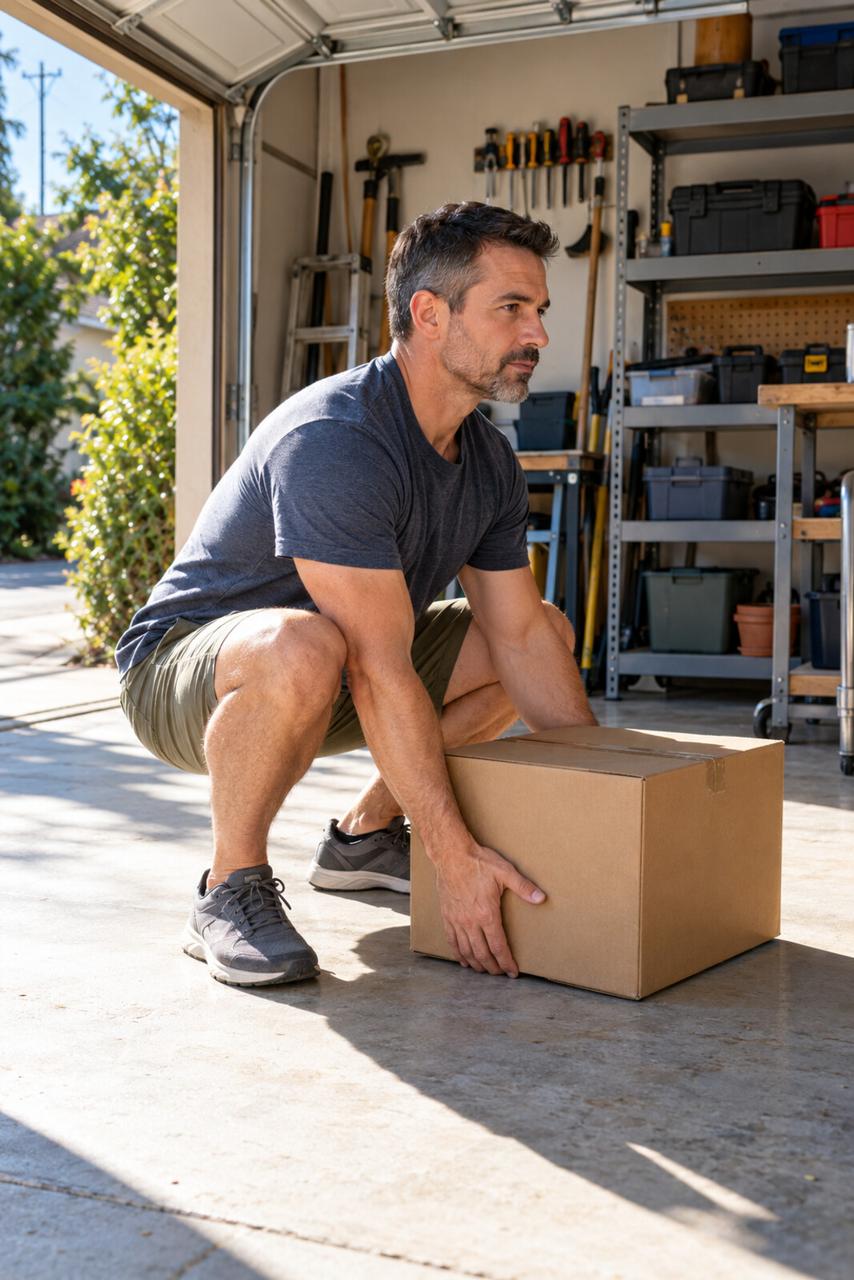
Spine-health says people who often bend their spine forward or sideways or raise their arms frequently above the shoulder level may be at risk of sciatica. That is a risk marker, not a promise.
Changing how you work or move has a price in time and habit. The source does not say how much risk a change removes, so ask a clinician to be specific before you rebuild your routine around it. For wider background on the condition, read MedlinePlus on sciatica and the OrthoInfo sciatica page.
Choosing what to try first
According to OrthoInfo (AAOS), your doctor may give you exercises to strengthen your back. The wording is conditional, so treat exercise as something to ask about and not as a shield.
If you are weighing a free home routine against a paid program, put the commitments side by side. Ask how many visits it needs, how long any agreement runs, and what happens if pain returns. Get the fee schedule in writing before you sign. WebMD's pain management center is a place to read general background before those conversations.
Your decision rule
Pick one habit linked to risk and change it first. Ask your doctor one question about exercise. Compare any paid plan only after you have its written terms. If a plan cannot show its source or its limits, it has not earned your money. The American Academy of Pain Medicine is one professional body you can use to check how pain care is described.
A practitioner's note
Prevention advice is only as good as the evidence behind it, so hold the habits above loosely. Lower your exposure where a source points to a risk, keep your expectations honest, and keep your clinician in the loop. Our comparisons stop short of medical advice.